Despre Societatea pentru Refugiațí

Societatea pentru Refugiaţi implementează programe destinate refugiaților, persoanelor intern strămutate şi solicitanților de azil în strânsă colaborare și cu sprijinul tehnic și financiar al Reprezentanței ICNUR în Moldova.

Societatea pentru Refugiați este o asociaţie obştească, apolitică, nonprofit, al cărei scop este de a contribui la protecția drepturilor civile, sociale, economice, culturale, etc. ale persoanelor refugiate și ale celor deplasate intern.

← Expoziție FOTO realizată de ex-reprezentantul ICNUR în Moldova Dl. PETRUS WIJNINGA

08 septembrie 2011

Government leadership needed to foster a public culture of diversity


8 September 201, Chisinau -- From 1 to 8 September 2011, Mr. Heiner Bielefeldt, the United Nations Special Rapporteur on freedom of religion or belief, undertook a country visit to the Republic of Moldova, including its Transnistrian region.  The purpose of this visit was to identify good practices, as well as existing or emerging obstacles to the full enjoyment of freedom of religion or belief.
Discussing the preliminary conclusions of the mission, Special Rapporteur Bielefeldt stated: “Noteworthy progress has been made generally in the field of human rights in Moldova, including in the area of freedom of religion or belief.   Recalling the harsh repression and persecution during the Soviet era, members of religious communities with whom I spoke appreciated that today they can generally practice their religion or belief freely and without fear of undue Government interference.”
“However, I was particularly struck by obstacles deriving mainly from the overly predominant position of the Orthodox Church, which enjoys a privileged status at variance with the Constitutional guarantee of a secular state.  Moreover, important sectors of society see Orthodox Christianity, in particular the Orthodox Church of Moldova, as constituting the backbone of national identity.  Some groups go as far as to explicitly demand, often in an aggressive fashion, to put followers of other denominations – such as Protestants, Jews and especially Muslims – in a marginalized position. Although these extremist groups seem to account only for a small minority, they apparently are not met with much criticism from within the Church, thus leading to the perception that they somehow speak on behalf of the country's Orthodox believers in general, as well as with the tacit approval of the Church authorities.”
“With a view to further improve the conditions for a non-discriminatory enjoyment of freedom of religion or belief, what seems to be needed, above all, is a public culture of appreciating diversity.  I would like to encourage the Government to take leadership in this regard, for instance, by issuing a robust anti-discrimination law, by facilitating interreligious communication, by investing in civic education and by speaking out clearly against incitement to religious hatred.” 
“With regard to religious instruction, I appreciate its voluntary nature as specified in the law and clarified by the Government. Strong and effective mechanisms must be developed to protect children who opt out of religious education from any form of negative pressure, be it from school authorities, church officials, other children, or any other party.”
“I have experienced many expressions of good will and positive examples of professional commitment which give good reason to see the prospects of human rights in this country in an optimistic light.”
Special Rapporteur Bielefeldt’s mission will result in a report to the United Nations Human Rights Council, to be presented in March 2012, including recommendations for strengthening the effective exercise of freedom of religion or belief in the Republic of Moldova.  
The full text of the Special Rapporteur’s press statement with a summary of his preliminary observations on the situation of freedom of religion or belief in the Republic of Moldova is available here http://www.un.md/images/simbols/pdf.gif
Mr. Heiner Bielefeldt is Professor of Human Rights and Human Rights Politics at the University of Erlangen-Nürnberg in Germany. He was appointed by the Human Rights Council to the mandate of Special Rapporteur on freedom of religion or belief, effective since 1 August 2010. The mandate was created in 1986 by the then Commission on Human Rights, and was renewed most recently in 2010 by the Human Rights Council for a three-year period.
An e-Digest on Freedom of Religion or Belief which summarizes 25 years of thought by four UN Special Rapporteurs is available online at http://www.ohchr.org/en/NewsEvents/Pages/DisplayNews.aspx?NewsID=10832&LangID=E
Background Information on the Mandate of the United Nations Special Rapporteur on Freedom of Religion or Belief
On 1 August 2010, Mr. Heiner Bielefeldt assumed his mandate as Special Rapporteur on freedom of religion or belief. The Human Rights Council in its resolution 6/37 invited the mandate holder:
·                     To promote the adoption of measures at the national, regional and international levels to ensure the promotion and protection of the right to freedom of religion or belief;
·                     To identify existing and emerging obstacles to the enjoyment of the right to freedom of religion or belief and present recommendations on ways and means to overcome such obstacles;
·                     To continue her/his efforts to examine incidents and governmental actions that are incompatible with the provisions of the Declaration on the Elimination of All Forms of Intolerance and of Discrimination Based on Religion or Belief and to recommend remedial measures as appropriate;
·                     To continue to apply a gender perspective, inter alia, through the identification of gender-specific abuses, in the reporting process, including in information collection and in recommendations.
Learn more about the mandate and work of the Special Rapporteur: http://www.ohchr.org/EN/Issues/FreedomReligion/Pages/FreedomReligionIndex.aspx
OHCHR Country Page – Republic of Moldova:  http://www.ohchr.org/EN/countries/ENACARegion/Pages/MDIndex.aspx
For more information and media requests, please contact :
·                     Ms. Nathalie Rondeux, Human Rights Officer, UN High Commissionner for Human Rights, Tel.: +41 22 917 9251, e-mail: nrondeux@ohchr.org
·                     Mr. Claude Cahn, Human Rights Adviser, UN Moldova, Tel.: +373 68 57 51 55, ccahn@ohchr.org
·                     Ms. Ludmila Tiganu, Communications Specialist, United Nations Moldova, Tel. 22 00 45, email : ludmila.tiganu@undp.org

Conducerea Guvernului trebuie să promoveze o cultură publică a diversității


8 septembrie 2011, Chișinău - Heiner Bielefeldt, Raportorul Special al Organizaţiei Naţiunilor Unite privind libertatea religiei sau credinței, a întreprins o vizită în perioada 1 – 8 septembrie curent în Republica Moldova, inclusiv în regiunea transnistreană a țării. Scopul acestei vizite a fost de a identifica bunele practici, precum şi obstacolele existente sau emergente, în calea exercitării depline a libertății religiei sau credinței.
Discutând pe marginea concluziilor preliminare ale misiunii, Raportorul Special a declarat: "În general, Republica Moldova a realizat progrese remarcabile în domeniul drepturilor omului, inclusiv în domeniul libertăţii religiei sau credinței. Evocând represiunile severe și persecuția din timpul epocii sovietice, membrii comunităţilor religioase cu care am vorbit, au apreciat faptul că astăzi dânșii pot practica, în general, religia sau convingerile sale în mod liber şi fără teamă de interferenţă nejustificată din partea Guvernului."
“Cu toate acestea, am fost deosebit de șocat de obstacole care derivă, în principal, din poziţia excesiv de predominantă a Bisericii Ortodoxe, care se bucură de un statut privilegiat în contradicţie cu garanţia constituţională a unui stat laic. Mai mult decât atât, sectoare importante ale societăţii privesc creştinismul ortodox, în special, Biserica Ortodoxă din Moldova, drept pilon al identităţii naţionale.  Unele grupuri merg până într-acolo încât soliciă în mod explicit și de  multe ori agresiv, menținerea adepților altor confesiuni - cum ar fi protestanţii, evreii şi, în special, musulmanii - într-o situație de marginalizare. Deşi aceste grupuri extremiste par să reprezinte doar o minoritate mică, aparent, ei nu sunt criticați în cadrul Bisericii, ceea ce conduce la percepţia că dânșii vorbesc, oarecum, în numele credincioşilor ortodocși din ţară, în general, precum şi cu acordul tacit a autorităţilor Bisericii.”
“În vederea îmbunătăţirii în continuare a condiţiilor pentru o respectare nediscriminatorie a libertăţii religiei sau credinței, este nevoie, întîi de toate, de o cultură publică de apreciere a diversităţii.  Aş dori să încurajez Guvernul să preia conducerea în acest sens, de exemplu, prin emiterea unei legi anti-discriminare robuste, prin facilitarea comunicării interreligioase, prin investirea în educaţie civică şi pledoarie împotriva incitării la ură religioasă.” 
“Cît priveşte educația religioasă, apreciez natura facultativă a acesteia după cum este prevăzut de legislaţie şi menţionat de Guvern. Trebuie să fie dezvoltate mecanisme puternice şi eficiente pentru a proteja copiii care optează să nu urmeze educaţia religioasă de orice formă de presiune negativă, fie din partea autorităţilor şcolare, funcţionarilor bisericii, altor copii, sau altă parte.”
“Am remarcat multe semne de bunăvoinţă şi exemple pozitive de angajament profesional, lucruri care oferă un motiv bun pentru a vedea perspectivele pentru drepturile omului în această ţară într-o lumină optimistă.”
Misiunea Raportorului Special va rezulta într-un raport către Consiliul Organizaţiei Naţiunilor Unite pentru Drepturile Omului, care urmează a fi prezentat în martie 2012, inclusiv recomandări pentru consolidarea exercitării efective a libertăţii religiei sau credinței în Republica Moldova.  
Textul complet al declaraţiei de presă a Raportorului Special cu un rezumat al observaţiilor preliminare cu privire la situaţia libertăţii de religie sau convingeri în Republica Moldova este disponibil aici http://www.un.md/images/simbols/pdf.gif
Dl Heiner Bielefeldt este profesor de Drepturile Omului şi Politica privind Drepturile Omului de la Universitatea din Erlangen-Nürnberg, în Germania. El a fost numit de către Consiliul pentru Drepturile Omului la mandatul Raportorului Special privind libertatea de religie sau convingeri, în vigoare de la 1 august 2010. Mandatul a fost creat în 1986 de către Comisia, pe atunci, pentru Drepturile Omului, şi a fost reînnoit cel mai recent în 2010 de către Consiliul pentru Drepturile Omului pentru o perioadă de trei ani.
Un e-Digest privind libertatea de religie sau convingeri, care rezumă 25 de ani de gândire a patru Raportorii Speciali ONU este disponibil on-line la: http://www.ohchr.org/en/NewsEvents/Pages/DisplayNews.aspx?NewsID=10832&LangID=E

Buletin electronic despre Libertatea Religiei sau Credin
ței – 25 ani de analiză de către cei patru Raportori Speciali ONU:
http://www.ohchr.org/Documents/Issues/Religion/RapporteursDigestFreedomReligionBelief.pdf

Informaţii generale privind mandatul Raportorului Special al Naţiunilor Unite cu privire la libertatea religiei sau credin
ței
La 1 august 2010, Heiner Bielefeldt și-a asumat mandatul Raportorului Special privind libertatea de religie sau convingeri. Consiliul pentru Drepturile Omului, în rezoluţia sa 6 / 37 a invitat titularul mandatului:
·                     Să promoveze adoptarea unor măsuri la nivel naţional, regional şi internaţional pentru a asigura promovarea şi protejarea dreptului la libertatea religiei sau credinței;
·                     Să identifice obstacolele existente şi emergente în calea exercitării dreptului la libertatea religiei sau credinței şi să prezinte recomandările pe căi şi mijloace în măsură să depăşească astfel de obstacole;
·                     Să continue eforturile sale, să examineze incidentele şi acţiunile Guvernamentale care sunt incompatibile cu dispoziţiile Declaraţiei cu privire la Eliminarea Tuturor Formelor de Intoleranţă şi Discriminare Bazate pe Religie sau Credinţă şi să recomande măsuri de remediere, după caz;
·                     Să continue să aplice o perspectivă de gen, inter alia, prin identificarea abuzurilor specifice de gen, în procesul de raportare, inclusiv la colectarea de informaţii şi în recomandări.

Aflaţi mai multe despre mandatul şi activitatea Raportorului Special:
http://www.ohchr.org/EN/Issues/FreedomReligion/Pages/FreedomReligionIndex.aspx
Pagina de țară OHCHR – Republica Moldova:
 
http://www.ohchr.org/EN/countries/ENACARegion/Pages/MDIndex.aspx
Pentru mai multe informaţii, vă rugăm să contactaţi:
·                     Nathalie Rondeux, Înaltul Comisariat ONU pentru Drepturile Omului, Tel.: +41 22 917 9251, e-mail: nrondeux@ohchr.org
·                     Claude Cahn, Consilier pentru Drepturile Omului, ONU Moldova, Tel.: +373 68 57 51 55, ccahn@ohchr.org
·                     Ludmila Țiganu, Specialist comunicare, ONU Moldova, tel. 22 00 45, email: ludmila.tiganu@undp.org

31 august 2011

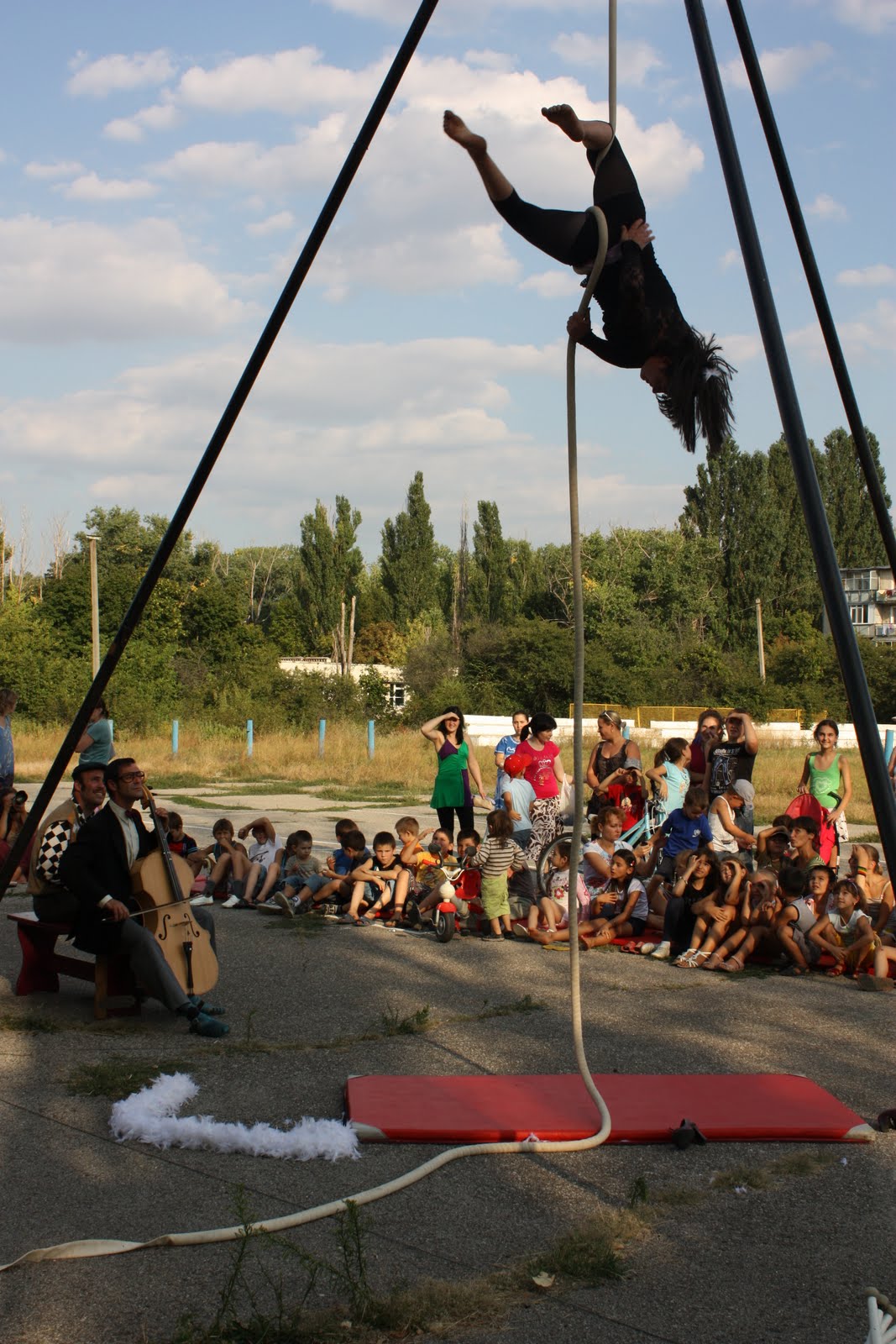
CIRCUL FĂRĂ FRONTIERE a ajuns la copii refugiaţi


Clovnii din Franţa au fost invitaţi la Centrul de Cazare pentru solicitanţii de azill al Biroului Migraţie şi azil al MAI de către administraţia Direcţiei Refugiaţi, Centrul de Caritate pentru refugugiaţi şi Direcţia Centrului de Cazare.

UNHCR SALUTES MOLDOVA’S EFFORTS TO COMBAT STATELESSNESS

CHISINAU, Moldova, August 29, 2011 – As the international community commemorates the 50th anniversary tomorrow (Tuesday) of the 1961 Convention on the Reduction of Statelessness, UNHCR salutes the Republic of Moldova’s progress as the government works towards acceding to this important international treaty.
“UNHCR is pleased that the Republic of Moldova is addressing the important needs of stateless persons as important legislation is set to go before parliament in the coming weeks,” said Peter Kessler, UNHCR representative to Moldova.
Around the world today there are millions of people who are not recognized as citizens of any country. On paper they don’t exist anywhere. They are people without a nationality. They are stateless.
There are numerous causes of statelessness, many of them entrenched in legalities, but the human consequences can be dramatic. Because stateless people are technically not citizens of any country, they are often denied basic rights and access to employment, housing, education, and health care. They may not be able to own property, open a bank account, get married legally, or register the birth of a child. Some face long periods of detention, because they cannot prove who they are or where they come from.
According to official Moldovan statistics, more than 2,000 people in this country are stateless. UNHCR is working closely with the government to resolve their plight and to address the needs of people abroad with historic ties to Moldova.
UNHCR estimates that there are up to 12 million stateless people in the world, but defining exact numbers is hugely problematic.
“These people are in desperate need of help because they live in a nightmarish legal limbo,” says António Guterres, the UN High Commissioner for Refugees. “This makes them some of the most excluded people in the world.”
Here in Moldova, UNHCR is advocating accession to the two UN treaties on Statelessness. So far only 66 countries have ratified the 1954 Convention relating to the Status of Stateless Persons, which defines who is considered to be a “stateless person” and establishes minimum standards of treatment. Only 38 states are parties to the 1961 Convention on the Reduction of Statelessness, which provides principles and a legal framework to help states prevent statelessness.
UNHCR is organizing a global ministerial conference in Geneva next December to review efforts to address statelessness.
Legislation on accession to these two important UN treaties is currently being examined by the Moldovan government and UNHCR is promoting Moldova’s swift accession to these two Statelessness conventions. Government departments, with support from UNHCR and the European Union, are preparing relevant legislation to implement the treaties.
In the 1990s the break-up of the Soviet Union left hundreds of thousands throughout Eastern Europe and Central Asia stateless, with marginalized ethnic and social groups bearing the brunt.  While most cases of statelessness have been resolved in these regions, tens of thousands of persons remain stateless or at risk of statelessness.
UNHCR and the Ministry of Foreign Affairs and European Integration are working to address the needs of people with historic ties to Moldova who still reside, as stateless persons, in several Central Asian countries.
An underlying theme of most stateless situations is ethnic and racial discrimination that leads to exclusion. While most Roma do have citizenship of the countries where they live, thousands continue to be stateless in various countries of Europe. UNHCR Moldova is also working with relevant authorities and NGO partners to address any the needs experienced by this group.

UNHCR SALUTĂ EFORTURILE REPUBLICII MOLDOVA ÎNTRU COMBATEREA APATRIDIEI

COMUNICAT DE PRESĂ

CHIŞINĂU, Moldova, 29 august 2011 În timp ce comunitatea internaţională va comemora mîine (marţi) cea de-a 50-a aniversare a Convenţiei din 1961 privind reducerea cazurilor de apatridie, UNHCR salută progresul Republicii Moldova în calea eforturilor de  aderare la acest acord internaţional important.

„UNHCR este mulţumit că Republica Moldova abordează nevoile stringente ale apatrizilor printr-o legislaţie importantă ce va fi prezentată spre examinare Parlamentului în următoarele săptămîni, a declarat Peter Kessler, Reprezentantul UNHCR în Republica Moldova.

La momentul actual, în lume există milioane de persoane nerecunoscute ca cetăţeni ai vreunui stat. Astfel, pe hîrtie aceştia nu există. Aceste persoane fără cetăţenie se numesc apatrizi.

Există numeroase cauze ce pot duce la apatridie, multe dintre care sunt din cauza legislaţiei imperfecte, dar consecinţele umane pot fi dramatice. Deoarece, din punct de vedere tehnic, apatrizii nu sunt cetăţeni ai vreunui stat, deseori ei sunt lipsiţi de drepturi fundamentale, precum accesul la locuri de muncă, locuinţe, educaţie şi asistenţă medicală. De multe ori apatrizi nu pot deţine proprietăţi, să deschidă un cont bancar, să se căsătorească sau să înregistreze naşterea unui copil. Unii apatrizi riscă perioade lungi de detenţie deoarece nu pot demonstra cine sunt şi de unde provin.

Potrivit datelor statistice oficiale, în Republica Moldova sunt peste 2,000 de apatrizi. UNHCR lucrează în strînsă colaborare cu Guvernul pentru a uşura calvarul acestora şi pentru a aborda nevoile persoanelor ce se află peste hotare dar au legături istorice cu Moldova.

UNHCR estimează că la nivel global sunt pînă la 12 milioane de apatrizi, dar stabilirea unui număr exact este problematică.

„Aceşti oameni au nevoie de ajutor cu disperare deoarece ei trăiesc într-o situaţie de coşmar din cauza incertitudinii juridice, a spus António Guterres, Înaltul Comisar al Naţiunilor Unite pentru Refugiaţi. „Din această cauză aceste persoane sunt printre cele mai excluse din lume.

În Republica Moldova, UNHCR promovează aderarea la cele două Convenţii ONU din domeniul apatridiei. Deocamdată, doar 66 state au ratificat Convenţia din 1954 privind statutul persoanelor apatride, care defineşte cine este considerat drept un apatrid şi stabileşte standarde minime de tratament. Doar 38 state sunt părţi la Convenţia din 1961 privind reducerea cazurilor de apatridie, care prevede principii şi un cadru juridic pentru prevenirea apatridiei.

UNHCR organizează o conferinţă ministerială globală la Geneva în decembrie a.c. pentru a revedea eforturile întru combaterea apatridiei.

La moment, legislaţia de aderare la aceste acorduri importante ale ONU se examinează de către Guvernul Republicii Moldova şi UNHCR promovează aderarea rapidă a Republicii Moldova la aceste convenţii din domeniul apatridiei. Autorităţile guvernamentale, cu susţinerea din partea UNHCR şi a Uniunii Europene, elaborează legislaţia relevantă în vederea implementării acestor acorduri.

În anii 1990, destrămarea URSS a lăsat fără cetăţenie sute de mii de persoane în Europa de Est şi Asia Centrală, iar unele grupuri etnice şi sociale marginalizate suferă din această cauză. În timp ce multe dintre aceste cazuri au fost rezolvate, la momentul actual  mii de persoane rămîn apatride sau riscă să devină apatride.

UNHCR şi Ministerul Afacerilor Externe şi Integrării Europene lucrează întru soluţionarea nevoilor persoanelor ce au legături istorile cu Moldova dar care locuiesc ca apatrizi într-un şir de ţări din Asia Centrală.

Majoritatea apatrizilor sunt discriminaţi pe motive etnice şi rasiale, fapt ce duce la excludere. În timp ce majoritatea romilor se bucură de cetăţenia ţării în care locuiesc, mii de romi rămîn fără cetăţenie în diferite ţări ale Europei. UNHCR Moldova mai lucrează şi cu autorităţile relevante şi partenerii săi neguvernamentali pentru a aborda problemele cu care s-ar putea confrunta acest grup de persoane.

Pentru informaţii suplimentare vă rugăm să contactaţi: Octavian Mohorea, UNHCR în Republica Moldova, tel. 27 18 53,
mohorea@unhcr.org

26 august 2011

Independence Day - Refugees have learned another lesson

 With the occasion of commemoration of the Independence Day of Republic of Moldova, from the initiative of the Charity Center for refugees in collaboration with the Society for Refugees, Bureau of Migration and Asylum of the Ministry of Internal Affairs with the support of UNHCR in Moldova, on 26 august, in the Accommodation Center for asylum seekers was organized a Round Table REPUBLIC OF MOLDOVA INDEPENDENCE AT THOSE 20 YEARS.
A communication on this topic was presented by the writer Dumitru Maxim, superior university lecturer, and master in journalism, which made a foray into the medieval and modern history of Moldova and noted the importance of the social movements during “80 – “90, during which, together with his colleagues was directly involved in organizing several events with international resonance.
In his speech Mr. Igor Prodan, Chief of the Accommodation Center for asylum seekers has drawn attention to the significance of the Independence Day for the Moldovan citizens and congratulated the new citizens of the Republic of Moldova, among the refugees, on this occasion. It’s good to work together at the prosperity of our country and to be worthy of the doings of our predecessors who have sacrificed for the good and prosperity of their descendants.
This Round Table aims to inform the asylum seekers and refugees, who, in fond, are originate from different regions of the world, on our history, so at the request, to integrate in the local society not just formal, but also thanked to the fact that they have the necessary knowledge about their new country, the people that lived here hundreds of years ago, their traditions and customs – said Prodan.
Mr. Djavid Paknehad, Charity Center for Refugee President, thanked to all participants at the Round Table, and along with the asylum seeker and refugees, thanked for the interesting communicate which refreshed my knowledge about the modern history of my country, but mostly I learned new from the past of this land and people who lived here and fought for national ideals from ancient times.
The Round Table was also assisted by the band of artists of the Circus without borders from France, which came to the Accommodation Center with a rich artistic and funny program, and in the end everyone was served with sweets and refreshments.


DE ZIUA INDEPENDENŢEI REPUBLICII MOLDOVA REFUGIAŢII AU ÎNSUŞIT ÎNCĂ O LECŢIE

Comunicatul pe această temă a fost prezentat de scriitorul Dumitru Maxim, lector superior universitar, magistru în jurnalism care a făcut o incursiune în istoria medievală şi modernă a Moldovei şi a remarcat imoprtanţa mişcărilor sociale din perioada anilor "80-"90, timp în care, împreună cu colegii de studii, s-a implicat direct în organizarea mai multor evenimente cu rezonanţă internaţională.
În luarea sa de cuvînd dl Igor Prodan, Şeful Centrului de Cazare pentru solicitanţii de azil a atras atenţia asupra semnificaţiei Zilei Independenţei pentru cetăţenii R.Moldova şi i-a felicitat pe noii cetăţeni ai R.Moldova, din rîndurile refugiaţilor, cu această ocazie. E bine să muncim cu toţii la prosperarea ţării noastre şi să fim demni de faptele predecesorilor noştri care sau jertvit pentru binele şi prospererea urmaşilor lor. Această Masă rotundă are drept scop informarea solicitanţilor de azil şi a refugiaţilor, care, în fond, sunt originari din diferite regiuni ale lumii, cu istoria noastră, astfel ca la solicitare, să se poată interga în societatea locală nu doar formal, ci şi datprită faptului că au cunoştinţele necerare despre noua lor ţară, oamenii care au locuit aici de sute de ani, tradiţiile şi obiceiurile acestora - a mai spus Prodan.
Dl Djavid Paknehad, Directorul Centrului de Caritate pentru Refugiaţi, a mulţumit participanţilor la Masa Rotundă şi, de rînd cu solicitanţii de zil şi refugiaţii, a mulţumit pentru comunicatul interesant care mi-a împrospătat cunoştinţele despre istoria modernă a ţării mele, dar, mai cu seamă, am aflat lucruri noi din trecutul acestui pămînt şi a oamenilor care au locuit aici şi au luptat pentru idealurile naţionale din cele mai vechi timpuri. 
La Masa Rotundă a asisatat şi trupa de artişti Circul fără frontiere din Franţa, venită la Centrul de Cazare şi cu un bogat program artistic şi distractiv, iar la sfîrşit toţi au fost serviţi cu dulciuri şi băuturi răcoritoare.


25 august 2011

COPIII REFUGIAŢI SE BUCURĂ DE SPRIJINUL UNHCR ŞI AVE COPIII


Organizaţia non-guvernamentală Asociaţia Pentru Abilitarea Copilului şi Familiei “AVE Copiii” este singura care de ani de zile se îngrijeşte de bunăstarea copiilor din familile solicitante de azil şi cele refugiate ajunse în Moldova.

Şi în acest an cei circa 30 de copii au beneficiat de sprijinul echipei de la AVE Copiii care, cu ocazia începerii unui nou an şcolar, a distribuit rechizite şcolare tuturor copiilor, care frecventează şcoala şi grădiniţa, din rîndurile solicitanţilor de azil, refugiaţilor şi persoanelor cu protecţie umanitară.


În cadrul proiectului, persoanelor mature, beneficiari ai UNHCR, le-au fost distribuite produse alimentare şi pachete igenice, iar suma alocată în cadrul acestor sub-proiecte este de circa 22500 de lei.


Proiectul este finanţat de Reprezentanţa Înaltului Comisariat al ONU în Moldova (UNHCR) şi are drept scop promovarea dreptului la educaţie şi sprijinirea acestei categorii de persoane în vederea integrării în societatea locală.

Refugee children enjoy the support of UNHCR and AVE Children

NGO Association for the Child and Family Empowerment “AVE CHILDREN”  it is the only one that for years take care of children from refugees and asylum seeker families in Moldova.

And this year those almost 30 children have benefited the support of the AVE Children team, which with the occasion of a new school year, distributed school supplies to all children attending school and kindergartens, from among asylum seekers, refugees and persons with humanitarian protection.

In the project, to mature people, UNHCR beneficiaries also have been distributed food and hygiene packages, and the amount allocated for these under-projects is about 22.500 lei.

The project is funded by the Representatives of the United Nations High Commissioner for Refugees in Moldova (UNHCR) and aims the promoting of the right to education and supports this category of persons to integrate into the local society.  


23 august 2011

AT IFTAR EVERYONE IS WELCOME

IFTAR – this is the name of the evening meal, after sunset, which the Muslims take during Ramadan. Usually at this table gather family members and their friends and serve together traditional food, depending on the country or region were they are. 

On this occasion, on Saturday, 20 August, the team from the nongovernmental organization Charity Center for Refugees (CCR) organized a meal with various dishes prepared by the originals from various Muslims states.
Although the organizers were expecting that the IFTAR will be attended by almost 30 persons, the interest was shown by a much bigger number and should be mentioned that among those who tried the food were representatives of other confessions.   

Mr. Peter Kessler, Representative of the UN High Commissioner for Refugees in Moldova (UNHCR), who attend the IFTAR, with his wife, who has a rich activity experience in many Muslims states, she had reasons to compare and showed herself delighted by the inventive beneficiaries of UNHCR, regarding the variety of dishes, and the friendship shown to all guests.
Among others Mr. Kessler thanked the organizers for the successful IFTAR and for the invitation where we taste with pleasure the delicious meal, prepared by the women and men among the refugees and asylum seekers. For me the evening was twice pleasant, because the dishes were served in a pleasant and agreeable atmosphere both by Muslims, and persons who share different confessions. In the next 10 days of Ramadan before the Eid al Fitr, I wish to all Muslims refugees a period of joy and reflection – mentioned Kessler.

Mrs. Ecaterina Silvestru, the Head of the Refugee Department, Deputy Director of the Bureau of Migration and Asylum of the Ministry of Internal Affairs, congratulated all the Muslims with this occasion and expressed her satisfaction about the fact that they don’t forget their traditions, but also for the refugees opening on the values of the asylum statute; their interest to study Romanian language, knowledge of the Constitution, History and Traditions of the local people.


Mr. Djavid Paknehad, CCR President, confided I wasn’t expecting this number of people at IFTAR – almost 60 persons, that’s why for a moment I was nervous, but my joy was that the dishes prepared was taste with delight, even more – some dishes have been distributed to some refugees to be consumed at home with other members of their families. But in fact, at IFTAR everyone is welcome – here no one can be in addition.

The evening was filled with few cultural – entertain, including organization of a mini winning lottery.


Lari Nadejda,
Studentă-jurnalistă,ULIM

Twitter Delicious Facebook Digg Stumbleupon Favorites More